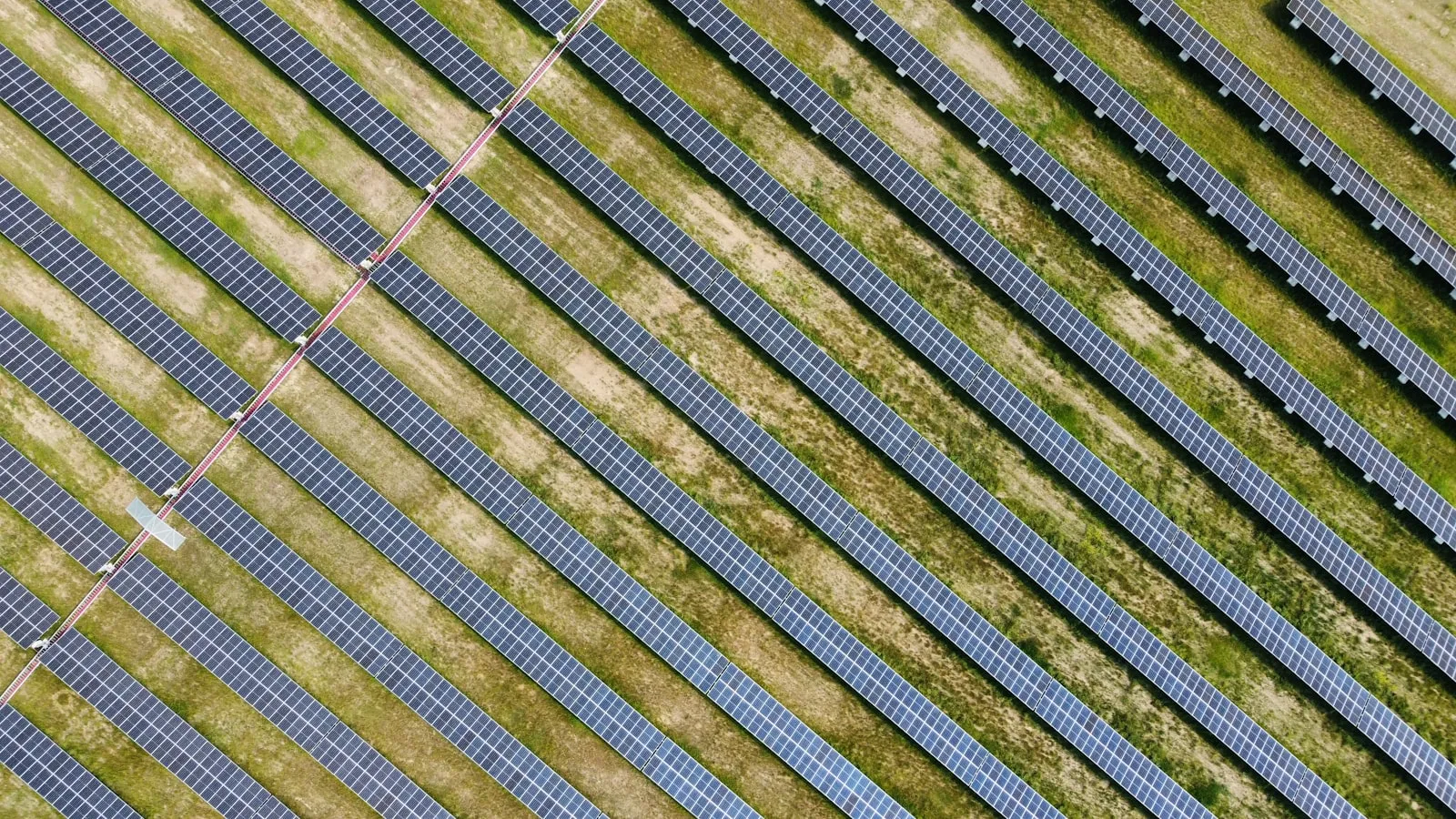
Applications · Solar + Storage Hybrid
Solar at noon. Power at seven.
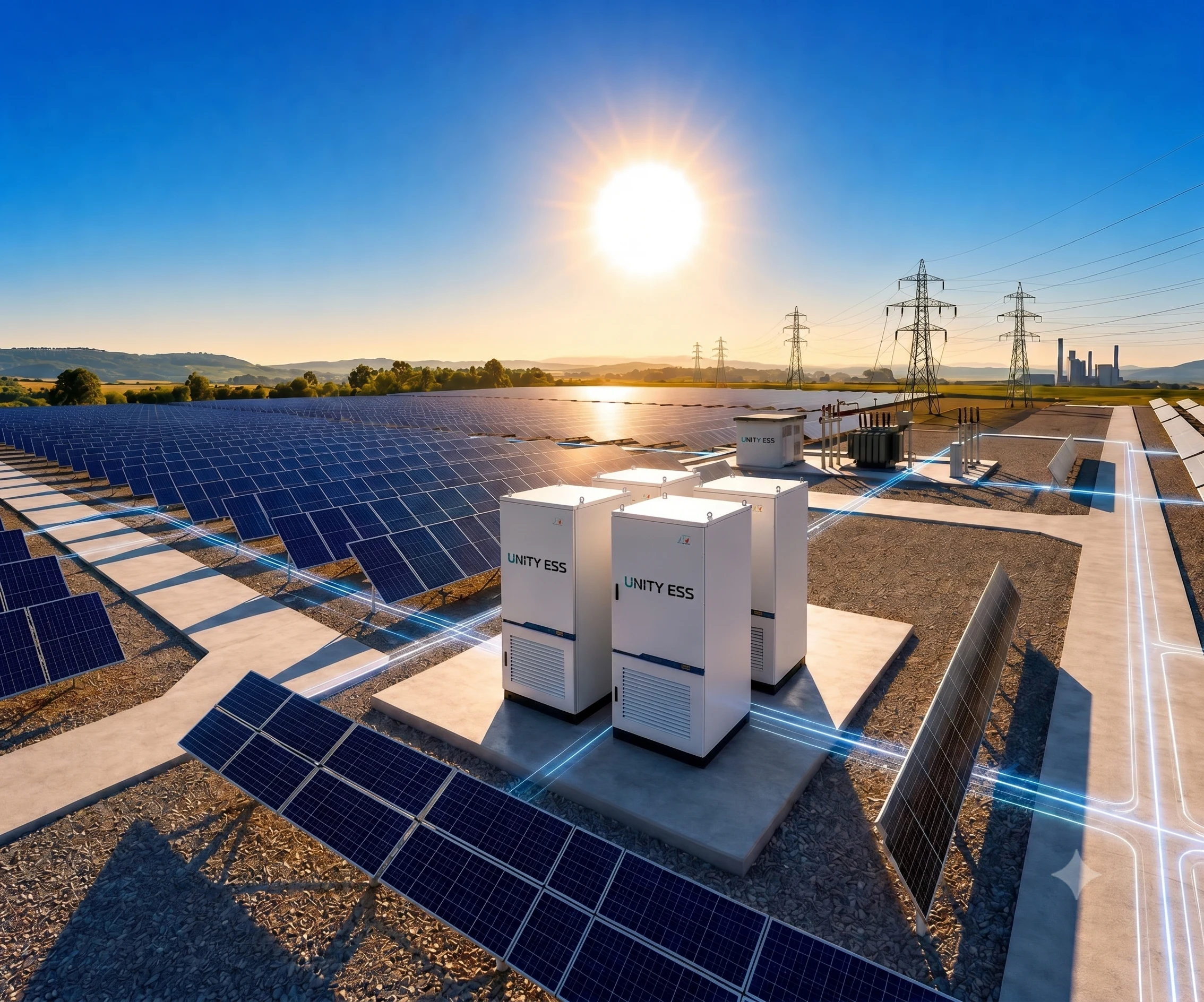
Capture the energy your panels generate at peak, store it, and dispatch it exactly when your load — or the grid — needs it most.
Capture the energy your panels generate at peak, store it, and dispatch it exactly when your load — or the grid — needs it most.
A rooftop or ground-mounted solar plant generates most of its energy between 10am and 3pm. Peak demand — and peak tariffs — arrive between 6pm and 10pm. Without storage, that gap is a permanent revenue leak.
When your solar plant generates more than your load can absorb, the excess is either curtailed or exported at low feed-in tariffs — ₹2–4/kWh — while you import from the grid at ₹8–12/kWh four hours later.
₹8/kWhCloud cover, seasonal variation, and the morning/evening ramp mean solar generation is never perfectly predictable. Without storage, you cannot commit to a firm power schedule under a PPA or reduce grid dependency to a target level.
±30%Even a solar-heavy site draws from the grid during evening peak hours. The demand charge for those peak imports is calculated on the highest 15-minute window — making solar alone an incomplete answer to the energy bill.
15 minThese are the outcomes across Unity ESS solar hybrid projects — from a 261 kWh rooftop system in Maharashtra to a 35 MWh ground-mount in Rajasthan.
"We were exporting at ₹3.20 and importing at ₹9.80 four hours later. The storage arbitrage paid back in under four years. The next fifteen years are pure margin."
Energy Manager · Large C&I solar + storage installation · Maharashtra · Year 3Two systems cover the full range of solar hybrid applications — from a 100kWp rooftop to a 50MW ground-mount. Both integrate with existing solar infrastructure and run the Unity EMS dispatch intelligence.
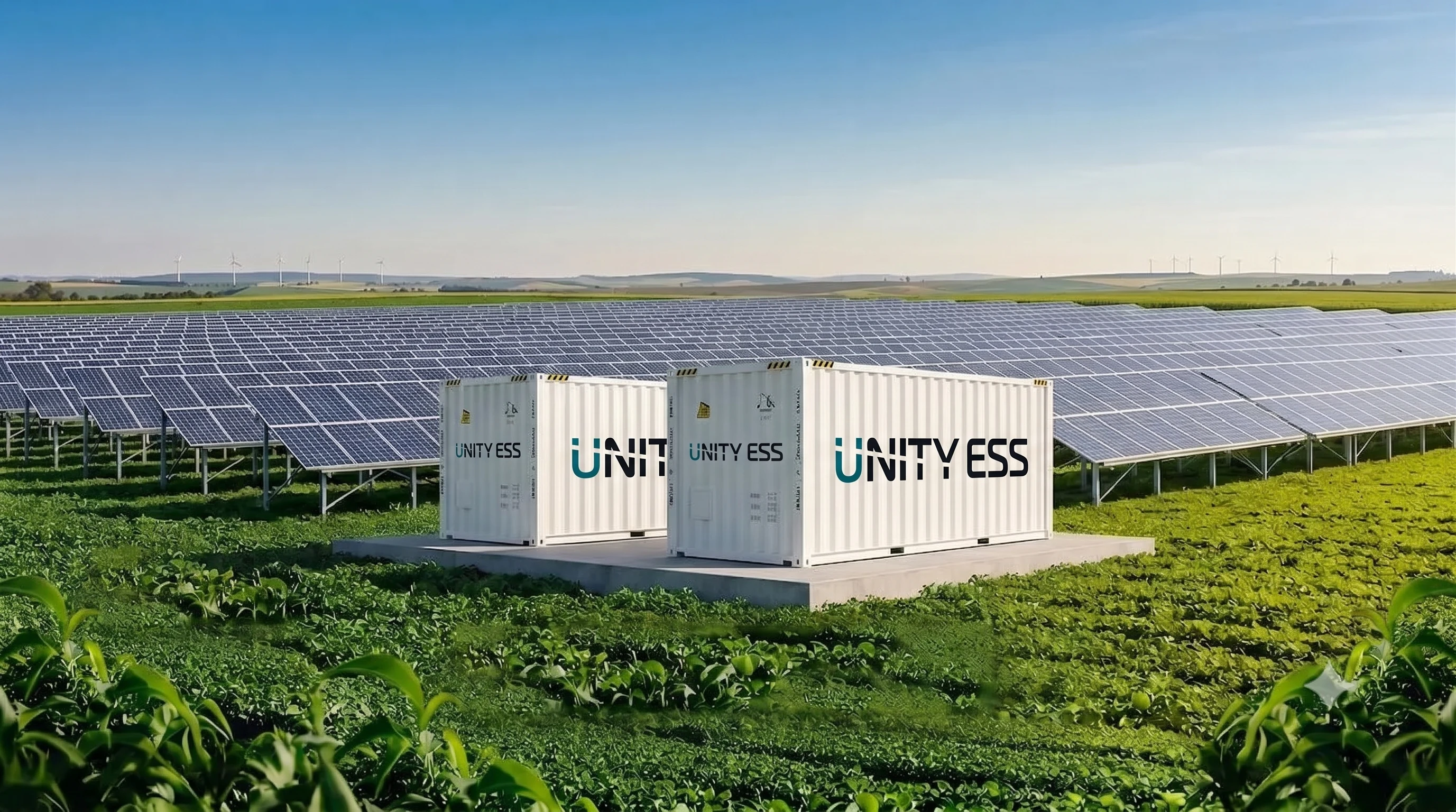
The standard choice for commercial and industrial solar hybrid sites. Integrates with existing rooftop or ground-mount solar. DC or AC coupled. Liquid cooled for efficient operation in high-temperature environments. Scalable to 12 units in parallel.
For utility-scale solar plants requiring firm power commitment, ramp-rate control, or evening peak shifting at scale. Fully integrated containerised BESS with PCS, EMS, and thermal management in a single 20ft unit.

Peak load shifting, demand charge reduction, backup for production lines.

Instant switchover, continuous power, surgical suite backup. The grid that never goes dark.
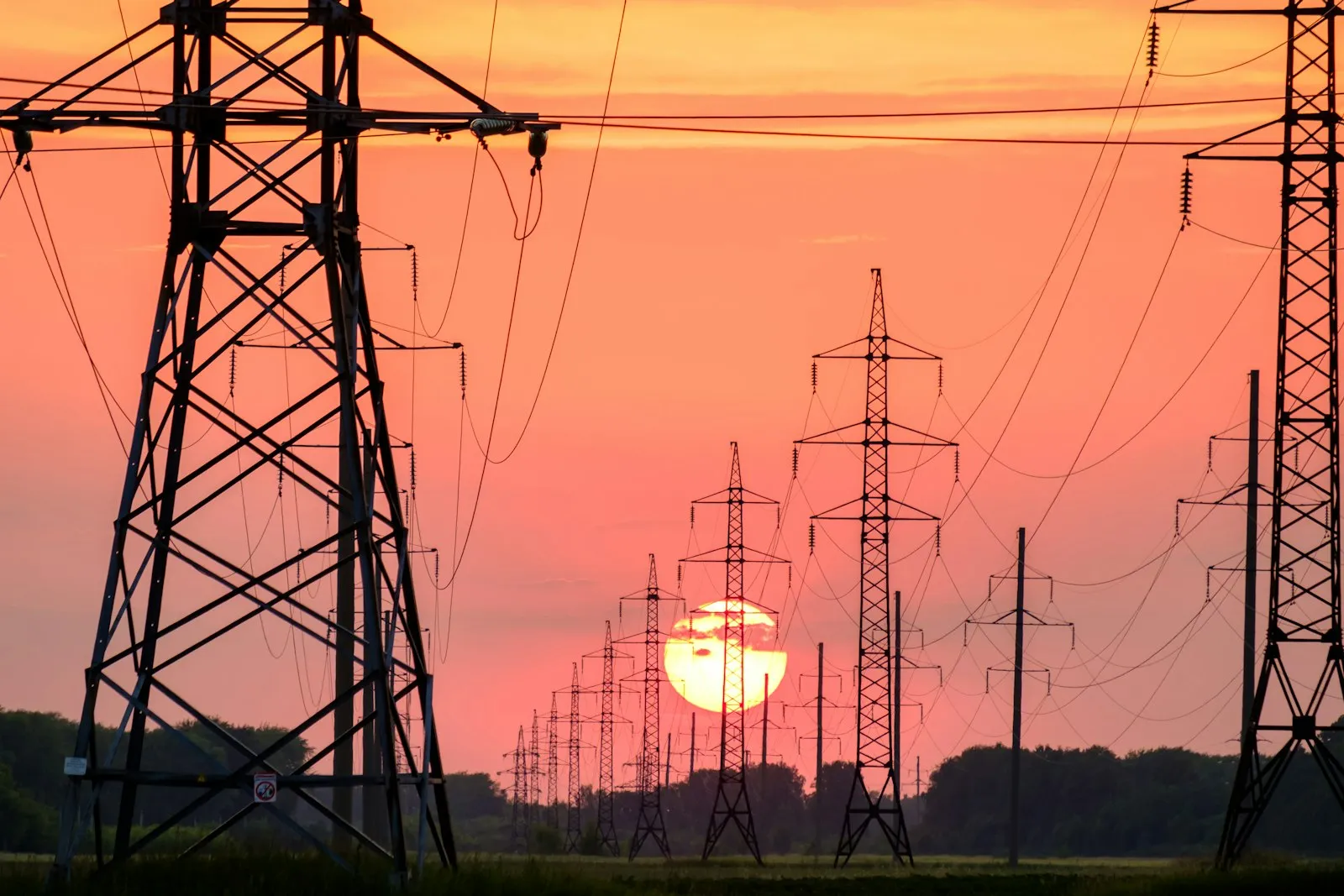
Frequency regulation, voltage support, renewable smoothing. Grid stability at scale.
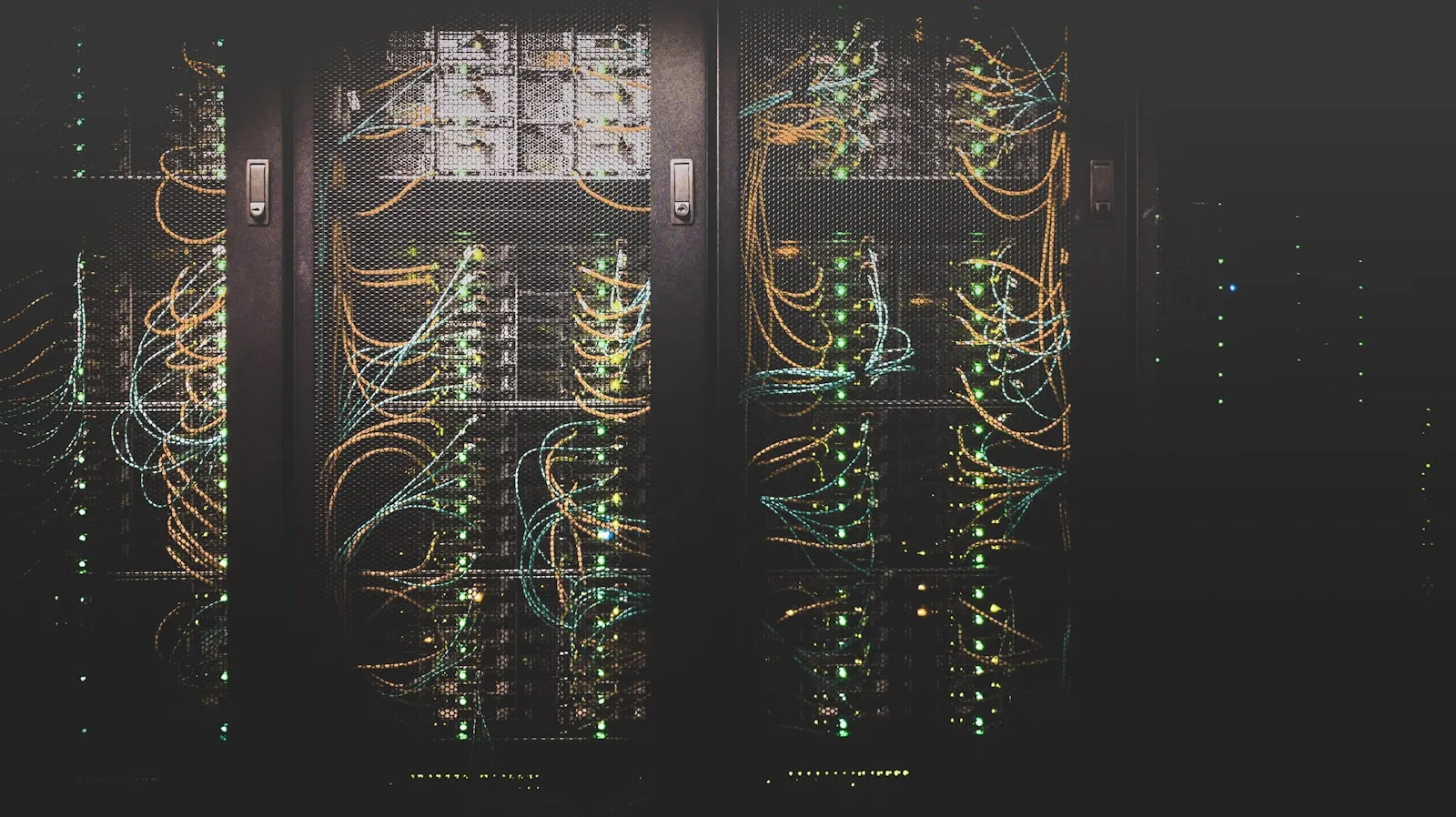
Uninterruptible backup, UPS replacement, peak demand management for critical infrastructure.

Cold storage backup, irrigation power, post-harvest protection.
See every use case and recommended system on one page.
Send us your load profile and we’ll return an arbitrage model within 24 hours.